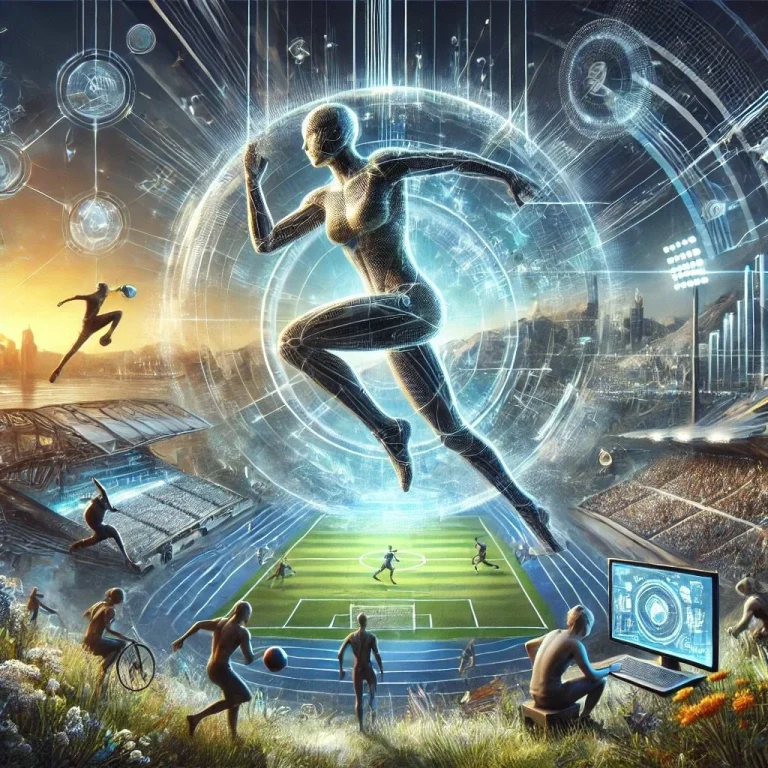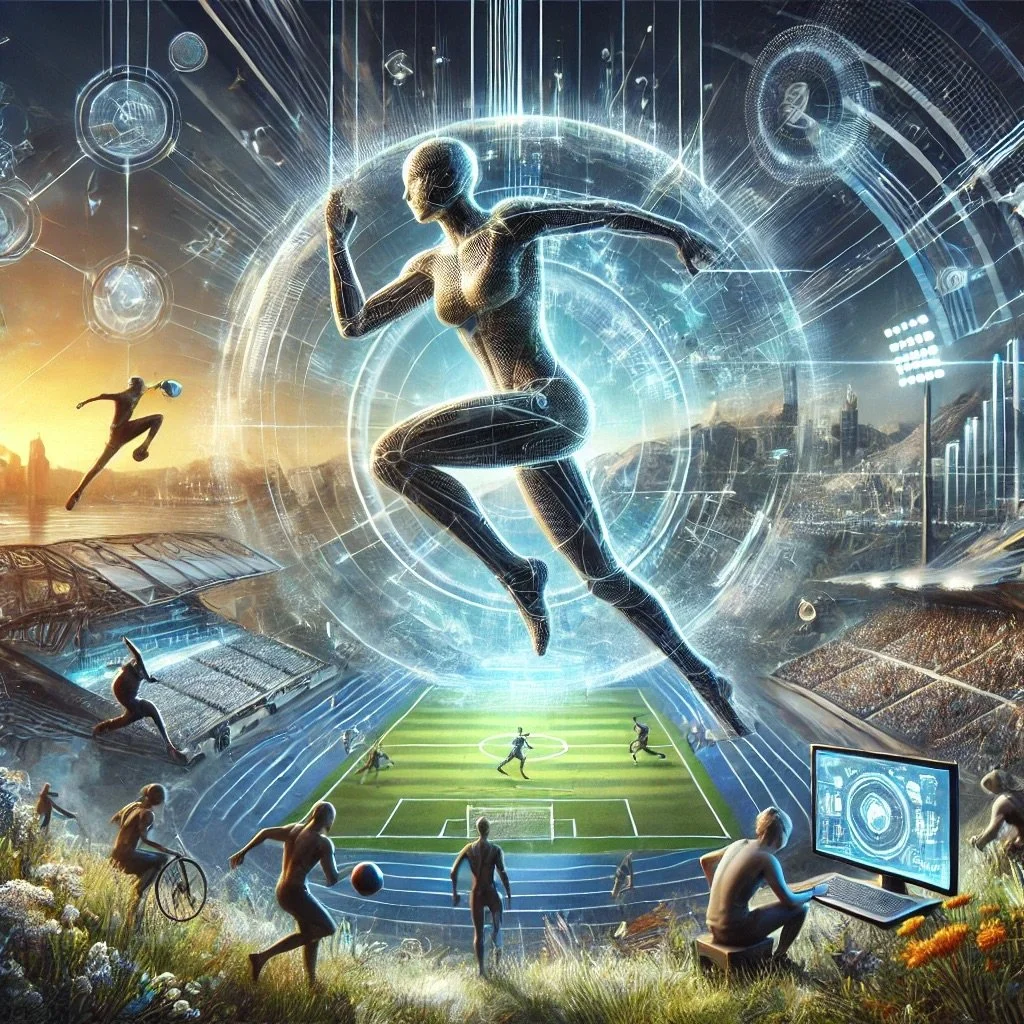
The sports world is ever changing thanks to new technology, shifting social norms and thematic breakthroughs. Looking ahead, a number of trends and developments will fundamentally change how exactly we play, watch and interact with sport. Welcome to an exciting glimpse into the future of sports.
Technological Integration
Wearable Technology: Wearable technologies have emerged as indispensable tools for sports training and performance. These devices, which have sensors to collect and transmit real-time data such as heart rate, distance covered and speed, help athletes gain insights that can improve performance and lessen the chances of injury. Upcoming mods could potentially offer practice technique feedback, real-time health tracking and more.
Virtual Reality (VR) and Augmented Reality (AR): VR and AR devices are revolutionizing the way fans experience a game or team training activities such as shooting practice. VR can transport fans into a live game environment right in their living rooms, while AR can overlay stats and player info while watching a game live. For athletes, VR simulators provide a highly controlled setting for honing skills.
Big Data Analytics and AI: With the advancements in big data analytics and AI, strategy making is changing the game in sports. Online coaching also leverages AI algorithms that digest enormous amounts of data to find patterns and predict results, assisting coaches in developing winning strategies and custom training plans.
Globalization and Inclusivity
More International Competition Than Ever: Sports is becoming more international, with ever-more global competitions. The global nature of this crossing broadens the public and cultural exchange avenues. E-sports, especially are blazing the trail on worldwide connectivity and have players as well as fans from around the world.
Inclusivity and Diversity: The world of sports in the future is expected to become more inclusive providing greater opportunities for traditionally under-represented athletes including women, LGBTQ+ players, and those with disabilities. Institutions will increasingly work to dismantle these barriers and develop universally inclusive and adaptive sports formats.
E-sports Growth: The growth of e-sports shows no signs of stopping, as the lines between sports and gaming keep blurring. With professional leagues, dedicated arenas and a fan base that is rapidly expanding, e-sports are poised to be the next major force in sports bringing new audiences of young gamers from all around the world into stadiums, engrossing them for hours and shaping what sport means.
Sustainability and Environmental Responsibility
Green Venues: With an increased focus on the environment, sports teams are becoming more sustainable. “Future stadiums and venues will use renewable energy, reduce waste and feature low-impact materials to lessen the environmental impact.
Sustainable Getting to and from the Game: Fans may be encouraged to carpool, vanpool, bike, walk or utilize public transportation to get energy saving tips for creating greener routines and learn what impact we can all make on climate change by using environmental programs around waste reduction, recycling or composting through partnering with influential environmental organizations.
Enhanced Fan Engagement
Interactive Fan Experience: With technology making greater leaps, soon we’ll have interactive fan experiences. Fans will gain access to personalized content, virtual meet-and-greets and an increase in-stadium technology adoption like app-based seat upgrade and real-time game statistics.
Social Media and Fan Connect: Fans will be able to consume special social content directly from the athletes and teams in the form of updates, stories, Tweets, videos, photos and snap info at one place. Interactive features like live chats and fan voting will foster personal, engaging connections between fans and the sports figures they love.
For sports betting, fantasy Gaming: With sports wagering and fantasy leagues continuing to be legalized in more states and become accepted by more fans, these options will further ingrain themselves into the fabric of sports culture, providing fans with new methods to participate in and take an interest in the results.
Medical Advances and Athlete Welfare
Prevent and Heal from Injuries: We’re going to see injury prevention and recovery methods greatly improve due to improvements in healthcare technology, increasing athlete lifespans and performance. Genetics could also prompt personalized training and rehab programs, the unique needs of particular athletes.
Mental Health Awareness: Not only will there be a greater emphasis on athlete mental health, hotlines for psychological assistance will pop up more regularly. Due to mental health being understood as a performance and well-being matter, we will see programs focused around emotional support and stress reduction.
Conclusion
The future of sport is set to be fluid, inclusive and with a considerable technological development. With sports rapidly changing, both fans and athletes will experience more worth seeing, attending and doing. With innovations like these, Sport will not only reimagine entertainment, but also drive positive impact in our society and connect the world. While we have to accept these changes and adapt, sports will always be about what makes it special—the competition, the friendship, and striving for a standard of excellence.
About the Author