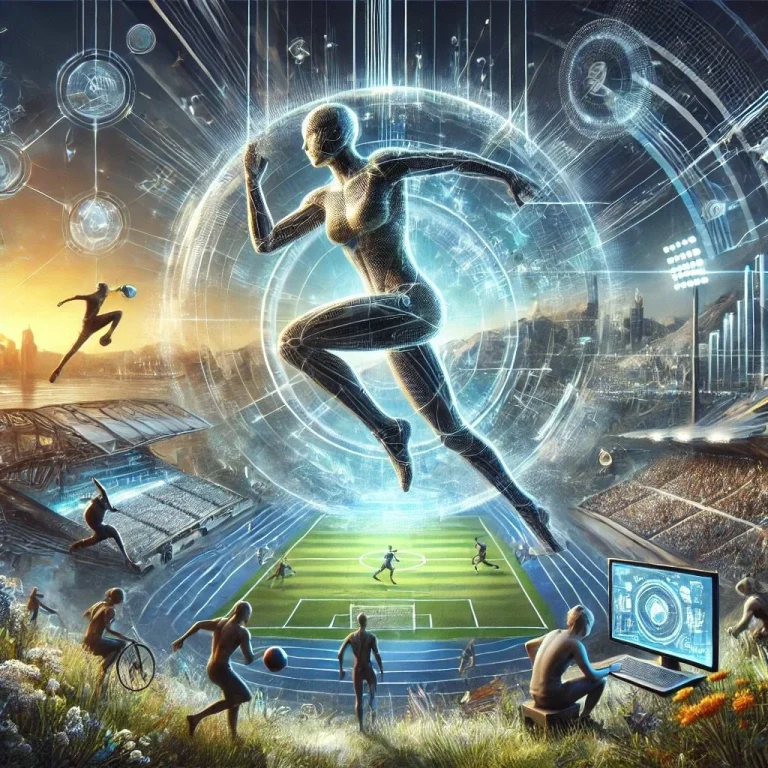
Over the centuries, the world of sports has drastically changed from ancient games to modern events loaded with high-tech equipment and lots of rules! This change is a product of changes in society, technology and culture. Here is an examination of how contemporary sports have changed over the years.
Ancient and Medieval Beginnings
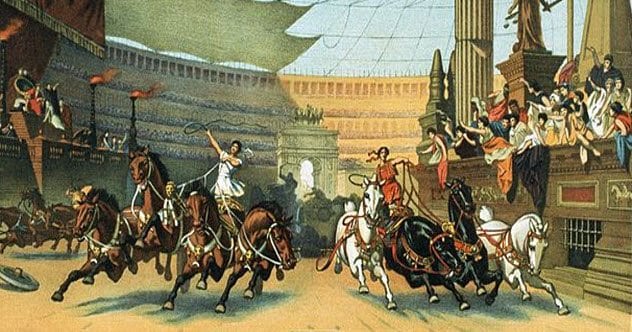
Early Civilizations: Sports can be traced back to the old civilization. The Greeks first held the original Olympic Games in 776 BC, which included wrestling, boxing and chariot bare racing. These contests were a tribute to physical skills, and the gods.
Medieval Times: In medieval Europe, it was common for the nobility to enjoy tournaments and things like jousts which were both a form of entertainment and show of martial prowess. The commoners were involved in folk games that encouraged the development of contemporary sports.
The Rise of Organized Sports
1800s Britain: The Industrial Revolution and the urban life that accompanied it, created more free time, and there was a need for sport to be organized. Britain emerged as a key center of power, codifying the rules of sports such as soccer, rugby and cricket. Clubs and associations were formed (such as the Football Association in 1863) whose aim it was, to standardize rules and competitions.
Olympic Revival – 19th century: In the latter half of the 19th century, Pierre de Coubertin founded for the revival of Olympics and in 1896, it underwent a new evolution on an international front. This latter-day Olympiad hewed to ancient traditions in stressing universal harmony through sports.
Technological Advancements
Revolution on the air Radio and television revolutionized broadcasting in the 20th century. The 1936 Olympics in Berlin were the first to be televised, revolutionizing notions of bringing sports excitement into living rooms around the world. That innovation, which changed the way fans could engage with sports and made them global events, was one of a series Mr. Lear created during his long career as an inventive sportscaster.
Equipment and Kit: Advances in technology helped to produce better sports gear and equipment. From artificial fabrics to ergonomic patterns and ultramodern sneaker technology, the message is clear: Athletic gear can boost an athlete’s performance and safety.
Data and Analytics: The 21st century saw the emergence of digital technology in sports, which consequently changed strategies and training with its implementation of data analytics. Data-driven insights help teams and athletes maximize performance and gain competitive benefits.
Globalization and Inclusivity
World Tournaments: Soccer world cup and international tennis are two instances of expansion of sports and the rise in popularity of international competitions. They bring countries together and they rise above culture and politics.
Gender Equality: In the second half of the 20th century, serious advancements were made in terms of gender equality within this form of sports. Title IX in the U.S. and other movements around the world have created more opportunity for women, resulting in greater participation and respect.
Paralympic Movement: The Paralymic Games starting in 1960 have significantly grown opportunity and visibility for the disabled athlete, bringing about a more inclusive model and shifting atttitudes towards athletic ability.
Economic and Commercial Impact
Sponsorship and Advertising: The financial value of sports has increased immensely. With their sponsorship deals advertisements and broadcasting rights sports become major industry.
Professional Leagues: The creation of professional sports leagues, like the NFL, NBA and Premier League which have raised the stakes to financial highs never before seen in their scope for talent and global following with season long battles.
Sports Tourism: Sports tourism has grown as fans have visited cities that host major events. This influx of tourists is good for economic activity and cultural interchange.
Social and Cultural Influence
Sports Iconography: Athletes are now pop cultural icons and influencers. “I don’t think you can separate America from the world of sports,” he said, pointing to figures like Muhammed Ali, Michael Jordan and Serena Williams who transcend athletics to influence social issues and pop culture.
Digital Age and Social Media The digital era has made it easier for sportsmen to communicate with the fan base over popular social media platforms. This real-time communication fosters a connection between fans and athletes, forming communities and enriching the fan experience.
Conclusion
The development of sports as we know them has evolved dynamically along technological, cultural/social trends. As much as sports have changed since the days of early athletic events, alongside the evolution of technology and globalization, they still capture a very human spirit of competition, togetherness and hard work. The world of sports will advance as the society does, bringing up more inspiration and all-uniting experience for people around the globe. the future of > through innovation, inclusivity, and the power to unite people across continents, sports continue to break traditional barriers and change the world we know as they do.
About the Author